


Researchers have found that the characteristics of tumors are determined by their genetic makeup. Therefore, cancer treatment can begin at the genetic level by targeting specific genes to influence tumor behavior and achieve therapeutic outcomes. Tumor driver genes are associated with cancer progression and can help assess prognosis, as well as the risks of recurrence and metastasis. Drug-related genes provide valuable guidance for therapy selection by indicating drug sensitivity or resistance. Understanding the genetic profile of a tumor forms the basis for treatment planning. By identifying the appropriate genes, more precise and effective cancer therapies can be delivered, maximizing clinical benefit.
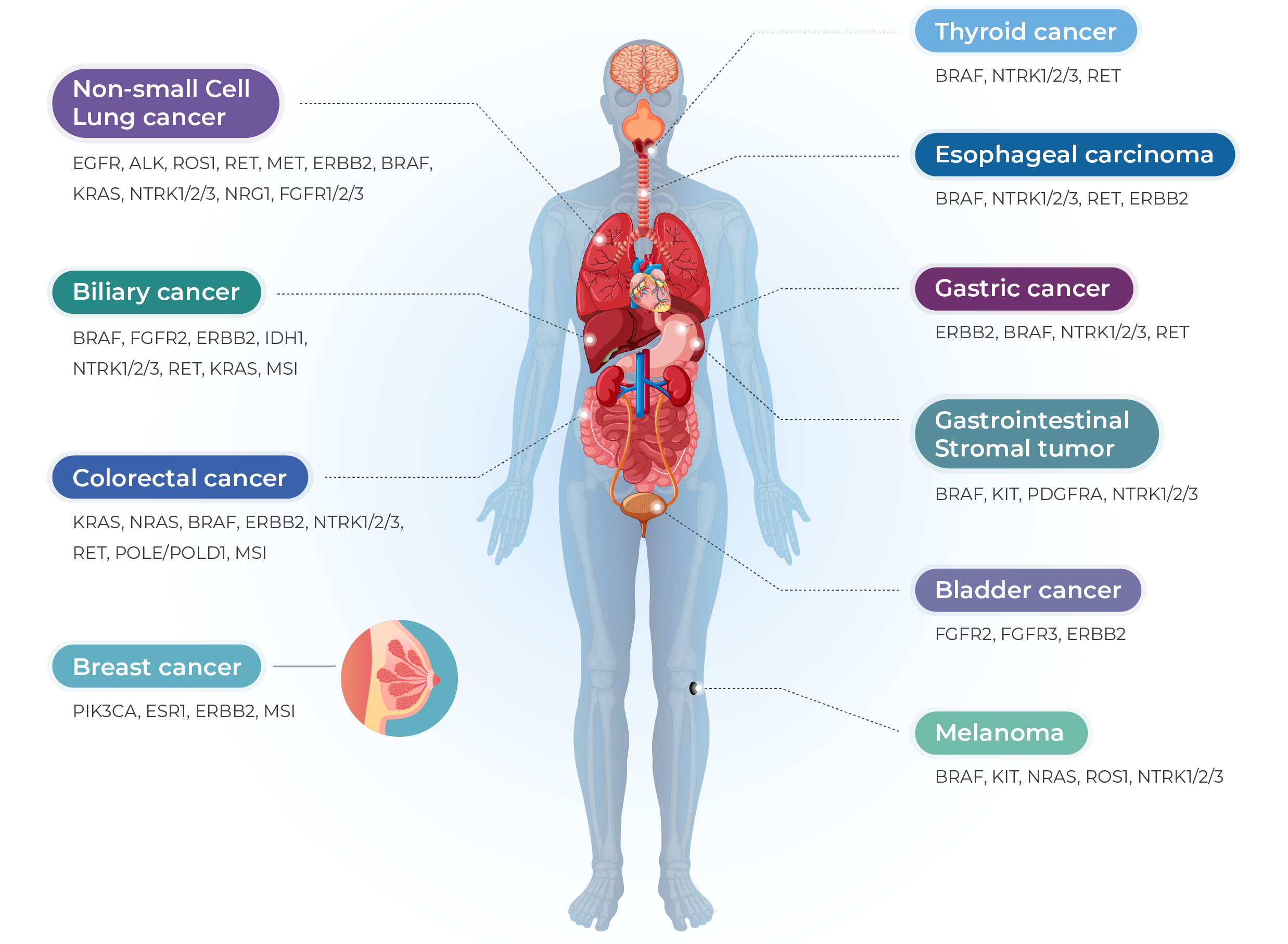
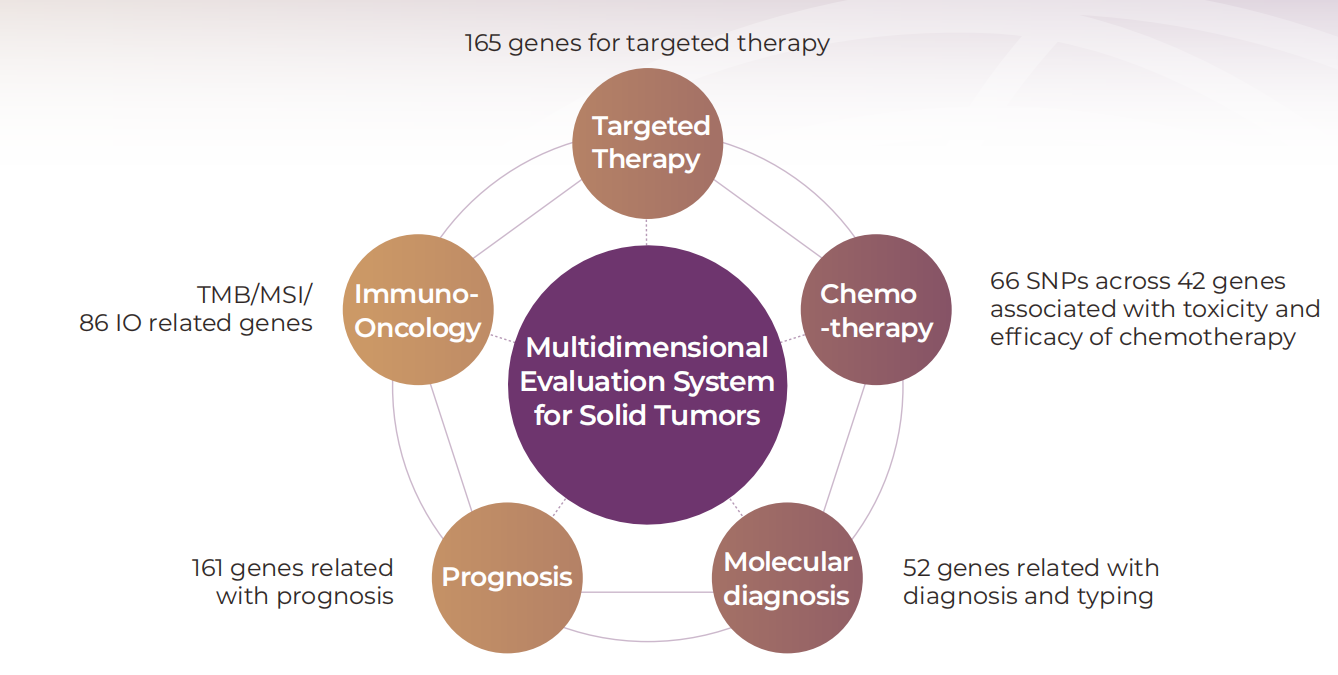
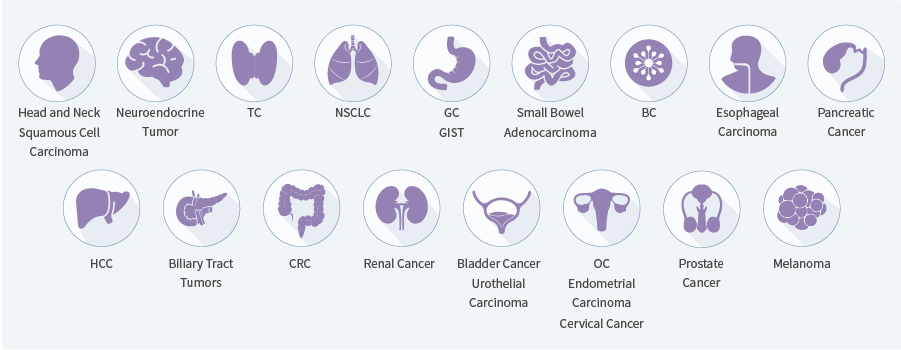
Genecast ctDNA Comprehensive Kit is a next-generation sequencing (NGS)-based genomic profiling assay utilizing liquid biopsy technology. It is designed to detect plasma sample from patient with solid tumors, performing comprehensive sequencing and analysis of 769 cancer-related genes.
The assay identifies multiple types of genomic alterations, including single nucleotide variants (SNVs), insertions/deletions (Indels), copy number variations (CNVs), and gene fusions. It also evaluates key genomic signatures such as microsatellite instability (MSI) status and tumor mutational burden (TMB). The results provide reference information to support therapeutic decision-making for both targeted therapy and immunotherapy.
| Enrichment Method | Hybrid Capture | |
| Panel Design | 769 genes + bMSI + bTMB | |
| Sequencing Platforms | DNBSEQ-G400/DNBSEQ-T7/NovaSeq6000 | |
| Package | 24 tests/kit | |
| Catalog Number | ZYFR-02501 | |
 Minimally Invasive Plasma-Based Profiling
Plasma-based testing provides a simple, minimally invasive alternative to tissue biopsy, particularly when tumor tissue is unavailable, insufficient, or difficult to access.
 Supports Targeted Therapy Decisions
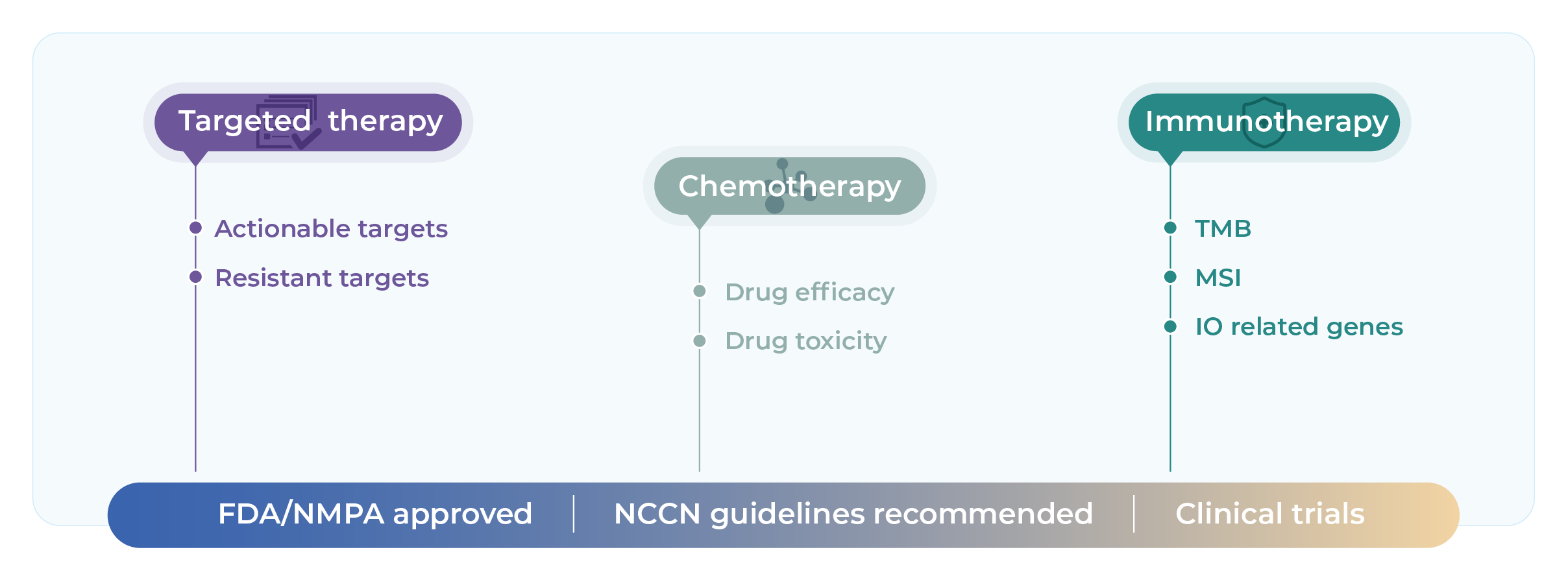
Detects somatic variants (SNVs, indels, CNVs, fusions) in patients’ blood and identify actionable genomic alterations to guide targeted therapy selection.
 Guides Immunotherapy Suitability Assessment
Reports TMB, MSI, and POLE/POLD1 mutation status to evaluate the likelihood of benefit from immune checkpoint inhibitors.
 Uncovers Resistance Mechanisms to Guide Subsequent Therapy
Identifies key resistance mutations (e.g., EGFR T790M, KRAS G12C, HER2 amplification), providing molecular insights for optimizing second- and third-line treatment strategies.
 Facilitates Clinical Trial Matching
Covers multiple NCCN/CSCO-endorsed biomarkers to assist in matching patients to targeted therapy or immunotherapy trials.
| Type | Requirements |
| Blood Sample | ≥ 8mL, 1 tube, cfDNA BCT. |

UMI-based Dual-Noise-Baseline ctDNA detection

Detection of SNV / InDel / CNV / Fusion / MSI / TMB

In-time update of Clinical KnowledgeBase

Compatible with MGI and Illumina sequencing platforms

#02-01/02, The Kendall, 50 Science Park Road. Singapore Science Park 2, Singapore 117406
Tel: +65 6047 0252 ; Email: info@genecast.com.sg
Copyright © 2014-2026 Genecast Group Inc. | Privacy Policy


